
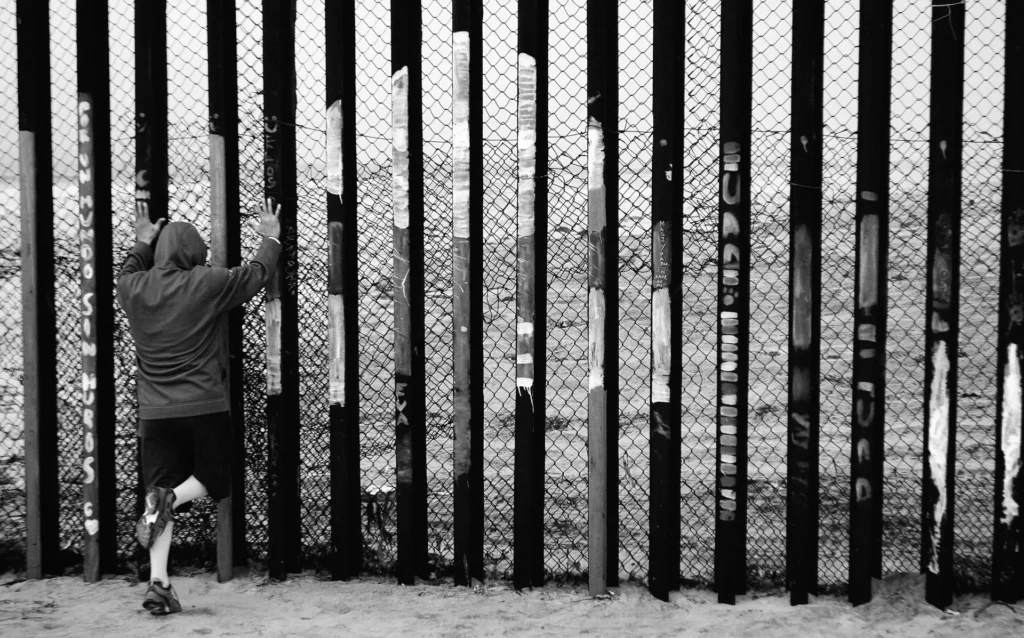
Photo by Max-Bohme on Unsplash
A few years ago, my family planned a road trip across the Gulf Cooperation Council (GCC) countries. The plan was simple: start from the UAE, perform Umrah in Makkah, Saudi Arabia, continue through Bahrain and Qatar, and then return to the UAE. We relied on our multiple-entry Saudi visas to make the route possible by road.
After completing Umrah, we crossed into Bahrain and spent two nights in Manama. When we attempted to re-enter Saudi Arabia from the Bahrain border in order to proceed to Qatar, the only available route, our journey abruptly ended. At the checkpoint, officials informed us that “something was wrong” with our visas. Despite holding valid multiple-entry visas, we were denied entry.
Confused, we returned to Manama, hoping it was simply a system glitch. The next morning brought the same refusal. Officials repeated only that our visas did not allow re-entry during that period.
Desperation began to set in. We went to the Saudi embassy in Manama, where officials reviewed our case and confirmed that there was no visible issue. They advised us to try again at the border, but nothing changed. We were effectively trapped in bureaucratic limbo.
Everyone in my family had work commitments and appointments waiting for them back in Dubai. Hoping to resolve the situation quickly, I assumed that obtaining new Saudi visas would fix the problem. I remember sitting on the carpeted floor of a mosque near the Bahrain border, exhausted and overwhelmed. It felt surreal to be surrounded by the quiet calm of a sacred space while panic consumed me. Other worshippers moved through their prayers peacefully while I frantically refreshed visa application pages.
I pulled out my phone and applied for new visas for all five of us. By that point, we had already spent a full week traveling back and forth to the border, each refusal more confusing than the last. My hands trembled as I filled out the forms; every keystroke felt desperate. The irony was not lost on me: we had just completed Umrah, a spiritual journey, only to be trapped by bureaucratic machinery.
To our relief, we received the new visas that same day, largely due to our UAE resident status. For a moment, there was a flicker of hope. But when we returned to the border with these fresh approvals, we were turned away once again.
Hopelessness took over. I broke down crying.
During those days, I repeatedly tried to contact the Saudi immigration helpline, explaining our situation again and again. Finally, someone responded and informed us that our new visas could not be activated until the existing ones had expired. That was the final word.
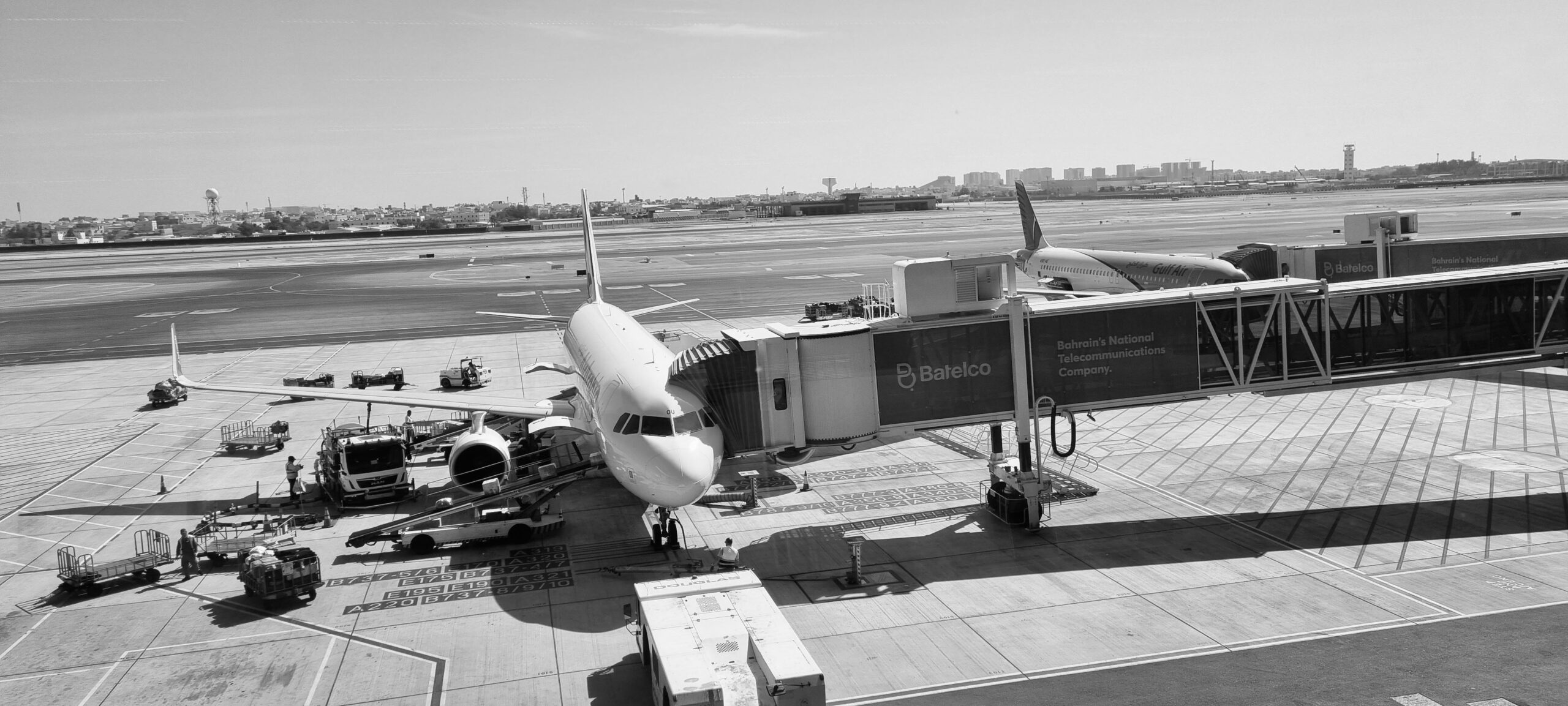
After a week of trying every possible option, we had no choice but to return by air. I booked return flights to Dubai for my mother, siblings, and myself, while my father stayed behind to coordinate cargo transport for our vehicle.
A trip that had begun with religious fulfillment and excitement ended in mental exhaustion, financial loss, and the humiliating realization that our mobility could be revoked at any point, even when we had done everything “right.”
Throughout the ordeal, one thought kept returning: this would not happen to someone holding a stronger passport. Our GCC residency could not shield us. Every step of our journey was conditional, monitored, and fragile.
Visa regimes regulate movement by subjecting travelers to overly complicated, opaque bureaucratic processes. These regimes operate through what Michel Foucault calls disciplinary power control exercised not through force but through surveillance and documentation. Opacity is intentional. Authorities rarely justify refusals, and even consulates may deny visas without explanation. This confusion leads applicants to waste money and time attempting to meet unknown requirements.
The system produces self-surveillance. Travelers fear of being randomly rejected by the authorities, makes them modify their behavior without explicit instruction. Such self-censorship and fear demonstrate the disciplinary character of the visa regimes, conditioning travelers into compliance. The ordeal illustrates Henk van Houtum’s concept of the ‘paper prison’ in which individuals are constrained not by walls but by bureaucratic ambiguity. Even with legal identities and valid visas, our mobility was entirely subject to state discretion. The right to travel became unpredictable and dependent on officials’ will. We were trapped not by physical barriers but by administrative silence unable to move forward, unable to understand why, unable to appeal. The system’s power lay precisely in its refusal to explain itself, leaving us immobilized in a space where valid documents ceased to guarantee passage.